It was only a matter of time. My Cape Cod heritage finally kicked in and led me to create a polka dot design for the quintessential cranberry!
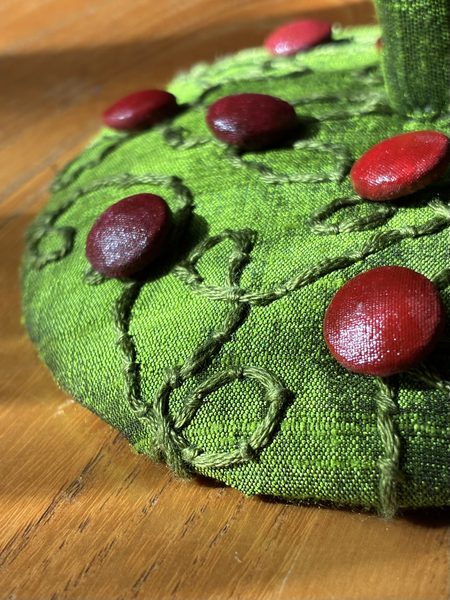
And — my first Cape Cod-inspired hat, too! Bringing the “sea change” at MAGGIE MAE DESIGNS® quite literally, to fruition.
A Personal Story
Cranberries are personal to me. Our family home on Cape Cod was situated next to a deserted cranberry bog. My sister and I rode stick horses through the winding paths, urging our charges to jump water filled ditches they almost never cleared. Escorted by our family cats, it was an endless wonderland of cranberries, pines and vegetation.
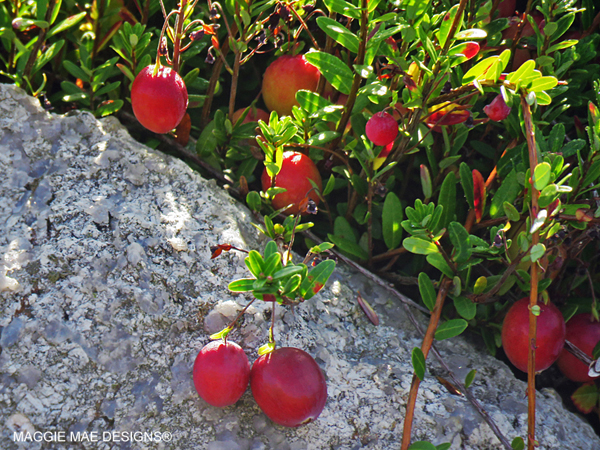
Years ago, I brought my Canon SX60 one day to watch the annual cranberry harvest at Jenkins Bog in Harwich. I had never actually been to a harvest. I was hooked, and became a fan of this annual Cape Cod tradition like so many others before me.
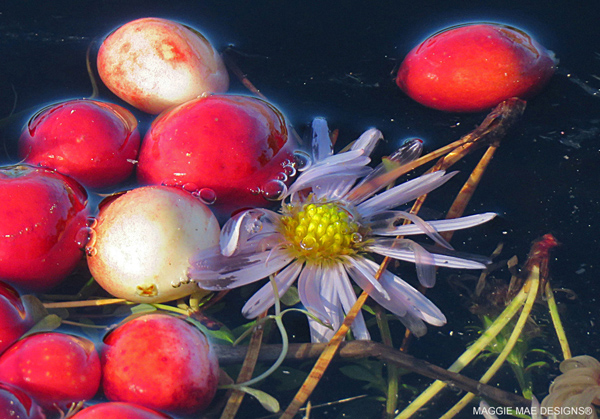
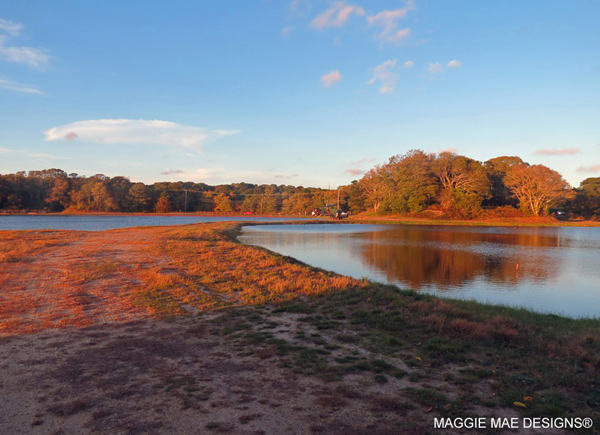
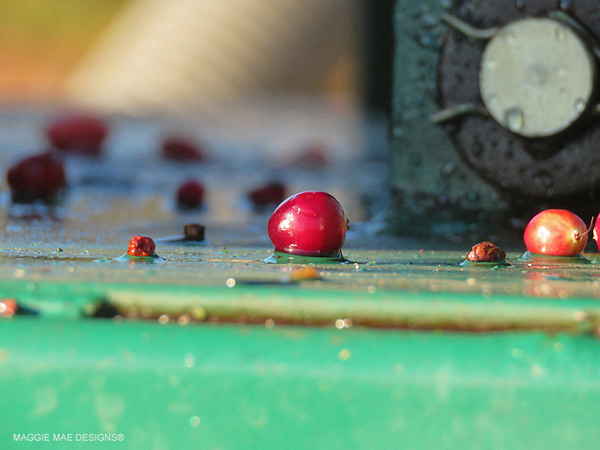
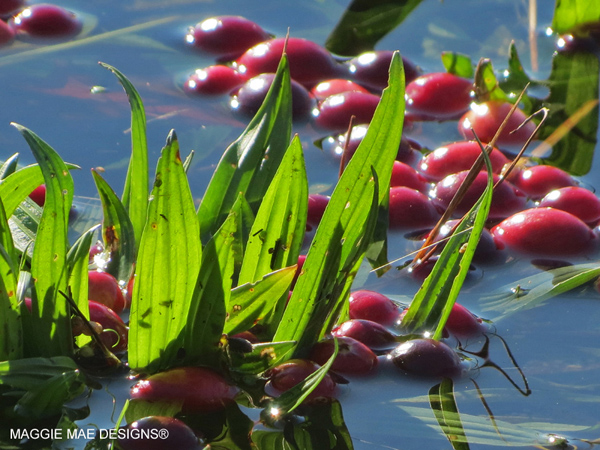
And as you might imagine, I was the keeper of the cranberry relish recipe in my family, too! 😉
Honoring the Cranberry’s Rich Cape Cod History
For over 12,000 years, native cranberries were harvested by the Wampanoag tribe for food, medicine and fabric dyes. The kettle holes left in the glacier’s wake offered the perfect acidic peat bog recipe wild cranberries love. Early European settlers are credited with renaming the berry, the “Crane Berry” because the springtime blossoms bore a resemblance to the head and bill of the Sandhill Crane.
In 1816 sea captain Captain Henry accidentally discovered that the layers of sand that covered his field of cranberries from a fierce storm actually made them thrive as never before. And covering fields with sand became part of the cultivation. Toward the mid to late 19th century, the cranberry became an economic lifeline for many Cape Cod families. With maritime trade, whaling, and shipbuilding on the decline, cranberry farming stepped into the breach and provided economic stability. It also inspired a sense of festive community pride with an annual autumn harvest tradition that to this day attracts people to Cape Cod.
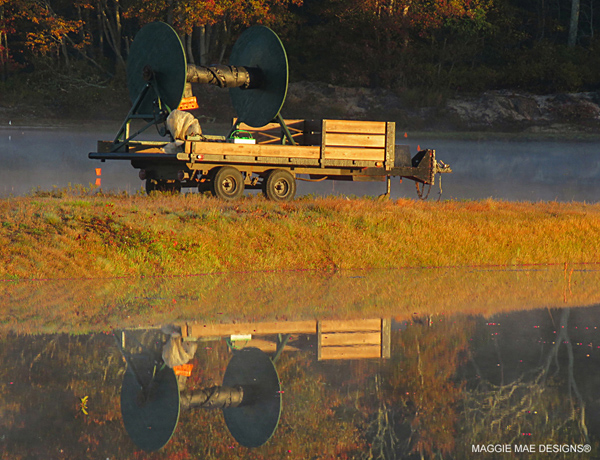
Yet times are changing, and a new chapter has begun here on Cape Cod. Changes in climate, out-of-state competition, labor shortages and rising tariffs have prompted a forward-thinking “green exit strategy” between unlikely partners. Cranberry farmers are selling their land to conservation groups so that historic wetlands can be restored, or “re-wilded”. The benefits of this collaboration to the land are enormous: cleaner water, coastline protection against storms and erosion and new habitats for wildlife.
A Cranberry Hat for MAGGIE MAE DESIGNS
Given my personal story and my interest in Cape Cod history, I suppose it was inevitable that cranberries would inevitably inspire an idea for a “polka-dotted” fascinator design!
Cranberry “Polka Dots”
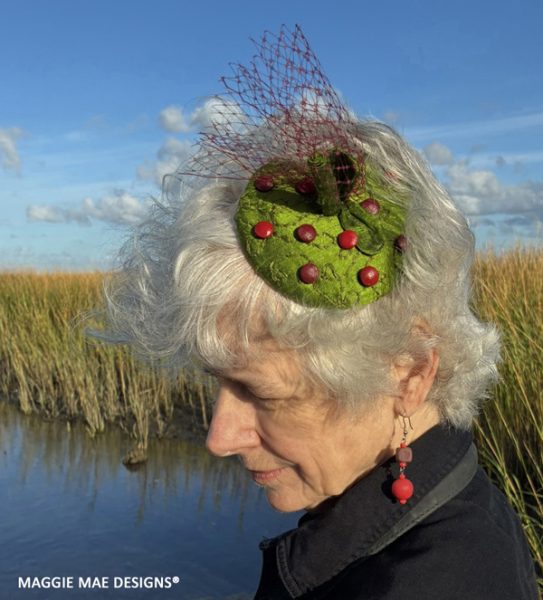
I was in the middle of an idea for painting my white silk shantung button “polka dots” in shades of autumn when the idea came to me. What could be more seasonal than a chapeau trimmed with Cape Cod cranberries!? I took the white buttons, painted them in several cranberry colors with acrylic paint.
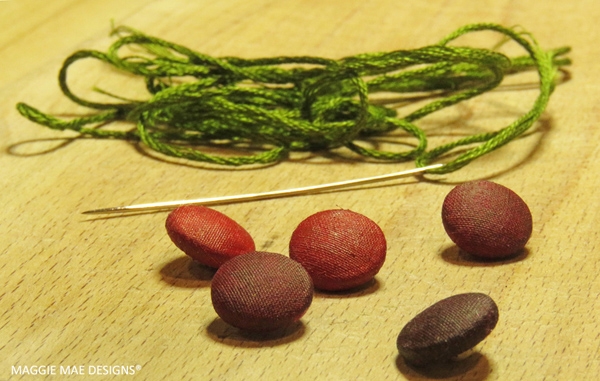
I then took a round fascinator base and covered it with bold green silk dupioni that reminded me of cranberry leaves.

Cranberry Vines
Now I needed swirling cranberry vines. I took some of my cotton embroidery thread and tossed it on top of the green silk-covered fascinator. The curling threads looked like vines already! I carefully stitched them in place using an embroidery technique called “couching” and was totally thrilled with the result.
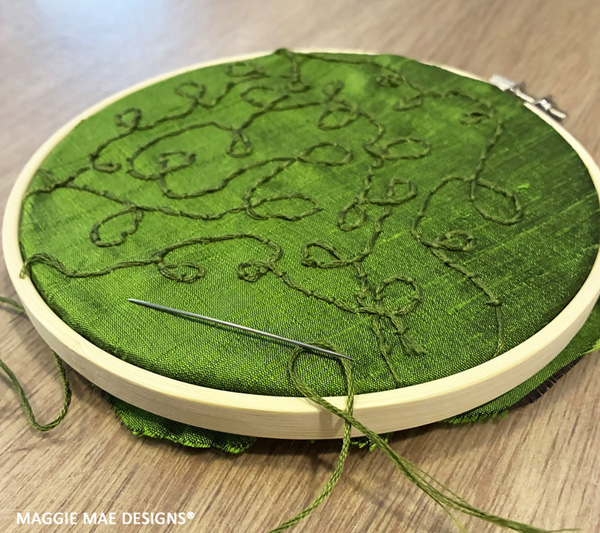
For a final touch I added a cranberry red silk dupioni silk lining and an elastic for attachment.
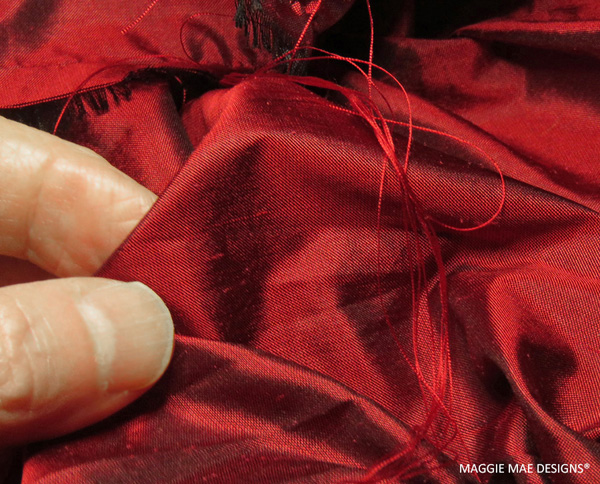
And Now for the Finishing Touches…
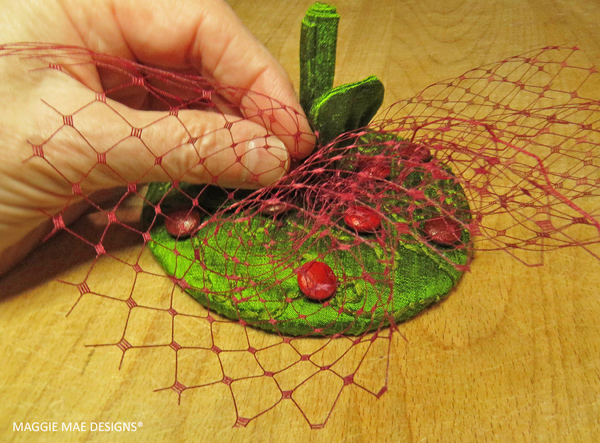
Our photo shoot down by the sea with the new design went fine. Still, there was something missing. It bugged me for days until I came up with the idea for two small green silk dupioni “leaves” to accent the cabillou…
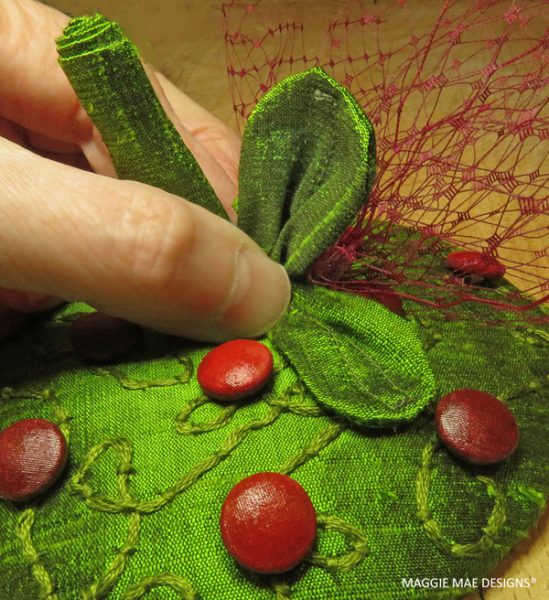
…and a bit of cranberry hat veiling. My “Berry” design was ready for her Kodak moment!
The Photo Shoot
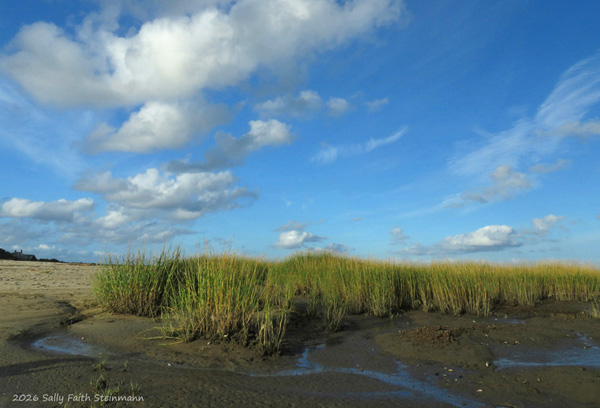
Because this was my first ever Cape Cod-inspired design, I decided that “Berry” needed a new location for her debut. And what could be a better spot for her than one of our favorite salt marshes?
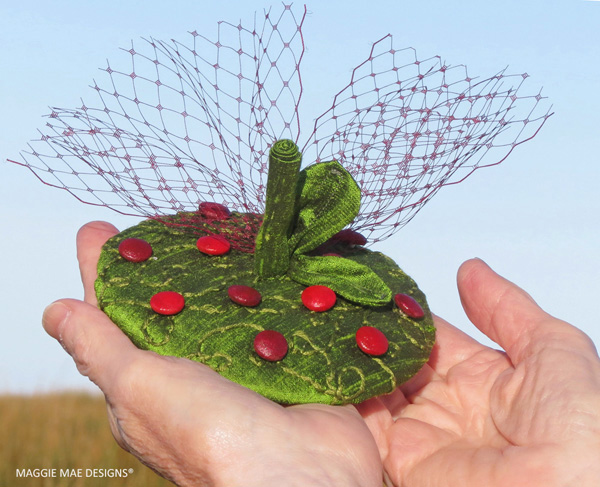
We got some amazing images of Berry in my hands…
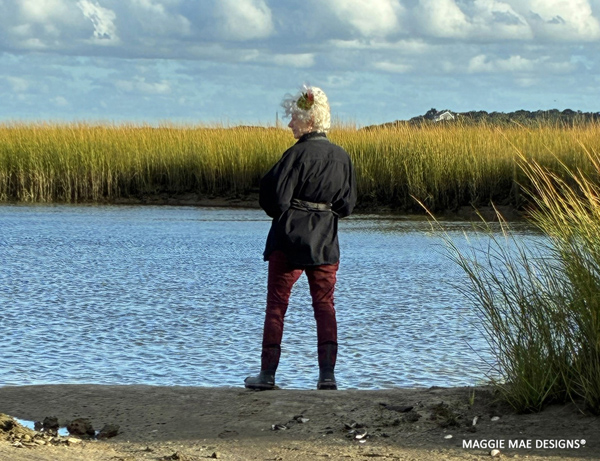
…as well as along the water’s edge at low tide.
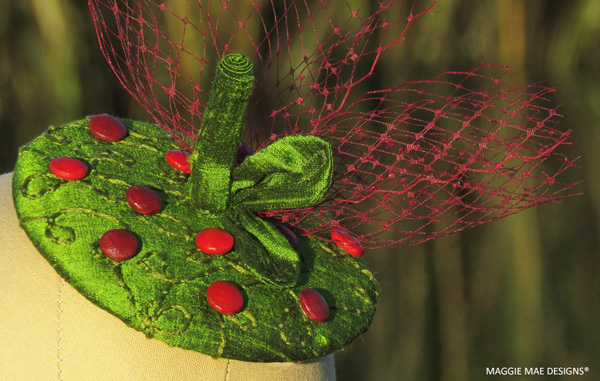
On another day, just before a nor’easter was due in I modeled the Berry at the same location. Surrounded by Spartina grass, the wind and the sea beyond, this moment could not have been more special.

Legacies and New Beginnings
It truly is possible to appreciate and value the rich history of the mighty berry, while still realizing that it is now time to restore the land back to its original salt marsh ecosystem. I can enjoy the cranberries that still grow here, wild and commercial, and continue to appreciate their place as a Cape Cod legacy.
I’d like to think that I, too, am now a part of Cape Cod cranberry history. By creating a hat to honor it, MAGGIE MAE DESIGNS® is helping to celebrate that history as well as welcome its new chapter.
And personally, it has been a thrilling experience creating my very first Cape Cod-inspired hat design that celebrates the history of our Cape Cod cranberries. The Berry represents a new beginning here at MAGGIE MAE DESIGNS®. I hope that she will be the first of many, many more Cape Cod-inspired hats to come!
For further reading….
Audubon website – Ecological Restoration of Retired Cranberry Farmland
Robert F. Smith Cold Brook Preserve – from the Harwich Conservation Trust (HCT) website
Marstons Mills – Cranberry Bog Eco-Restoration project
NOAA Fisheries website – Returning a Cranberry Bog to a Thriving Wetland
The New Bedford Light, April 22, 2026 – How a Retired Cranberry Bog Helped Change the Game for Wetland Restoration
WGBH, May 2026 – How Did a Small Bitter Berry Become the Backbone of Massachusetts Agricultural History
Inside Climate News, October 2025 – Cranberry Farmers Consider Turning Bogs Into Wetlands
CBS News November 2025 – Massachusetts Cranberry Farmers Choosing to Restore Their Bogs Into Wetlands Amid Economic Headwinds
The Provincetown Independent, November 22, 2022 – When Cranberry Fever Came to Provincetown
Captain Freeman Inn, July 2019 – The History of Cranberries on Cape Cod
New York Times, July 4, 2017 – The Re-wilding of a Century-Old Cranberry Bog
Cape Cod Life, 2016 Annual publication – A Brief History of the Cranberry, Cape Cod’s Most Important Fruit
I would love to hear from you. To share your thoughts, simply click on the journal title at the top of this page to join our conversation! ~ Sally Faith Steinmann